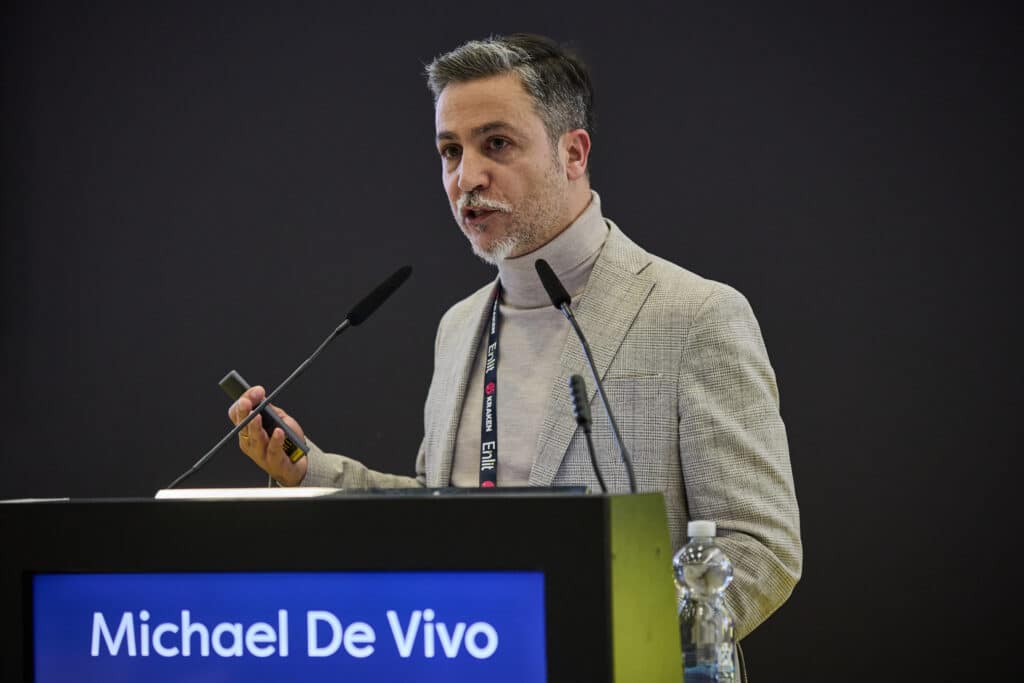
Europe has the ambition, and legally binding frameworks, to decarbonise, electrify, and build a resilient energy system. VisNet from EA Technology believes those ambitions can become reality, but only if we stop talking and start delivering. As outlined in the recent article on Enlit World, “The clock is ticking for Europe to close the climate gap says Michael De Vivo from VisNet,” the gap between Europe’s renewable energy and electrification targets and tangible progress is widening.
At the heart of the problem lies a structural mismatch: while frameworks such as Fit for 55, REPowerEU and updated National Energy & Climate Plans (NECPs) have aligne Member States around a decarbonised future, execution remains painfully slow. Meanwhile, sectors that could lead the transition, including utilities, grid operators and innovators, are still hampered by fragmented regulation, slow permitting, outdated infrastructure and a shortage of digitally skilled professionals.
This article does not just diagnose the problem; it charts the path to solutions. It argues for smarter, more flexible regulation, interoperable standards and coordinated planning, backed by substantial and sustained grid investment. It makes the case that delivering Europe’s energy transition will require collaboration across stakeholders: from policymakers and DSOs to technology providers and workforce training bodies. With the right approach, it shows, the €67 billion annual investment Europe needs in its grid infrastructure can be far more effective, unlocking a system capable of delivering clean, resilient energy by 2030 and beyond.
If you care about bridging the gap between climate ambition and climate action and want to understand what is really needed to accelerate Europe’s energy transition, this sharp and thought-provoking piece is essential reading.

VisNet® Modelling
Our Low Voltage modelling software tools are deigned to help you model, evaluate and automate connections.

VisNet® Monitoring
Our Low Voltage monitoring solutions help you improve efficiency and reduce costs by monitoring your network in real-time.