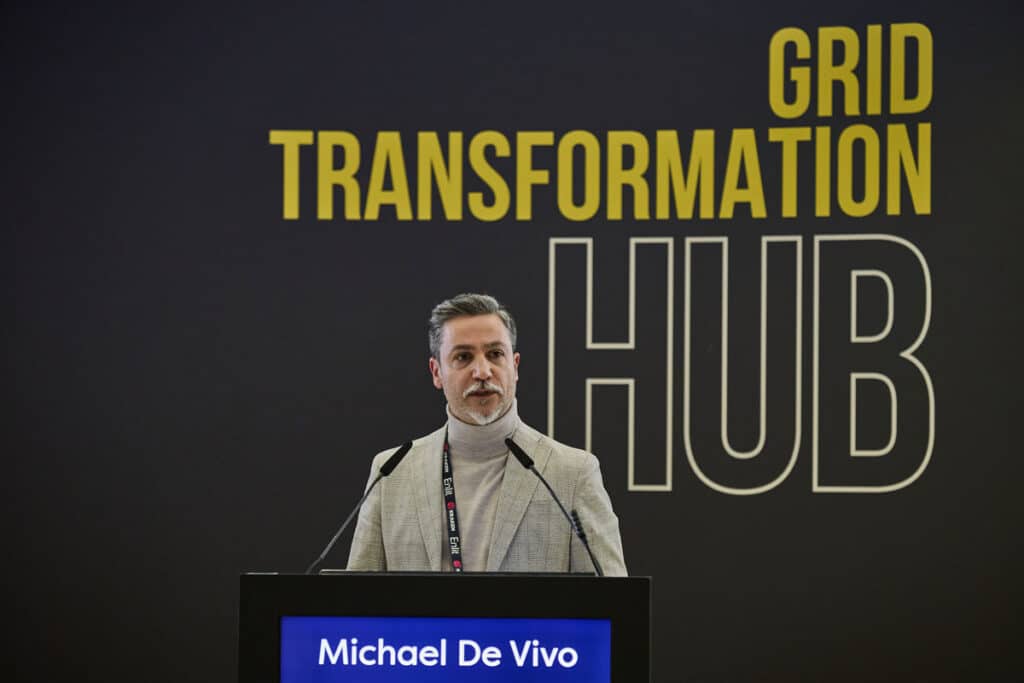
Mike De Vivo, Head of Europe for EA Technology
The UK’s energy network is at a critical juncture. Rapid electrification and accelerating decarbonisation have transformed a once predictable system into a more complex, distributed and dynamic grid. Record renewable connections sit alongside growing constraints, volatile demand patterns and mounting pressure on ageing infrastructure.
Fortunately, digitalisation and smarter systems are moving into the mainstream, and a wealth of technologies are now available to Distribution Network Operators (DNOs) to help manage and maintain Britain’s power network.
Mike De Vivo, Head of Europe for EA Technology is confident that the next 12 months will be all about network modernisation and has outlined the four biggest trends he’s expecting to this year.
Low voltage networks take centre stage
Throughout the year, we’ll see a continued importance placed on the low-voltage (LV) network, driven largely by the consumer, with electric vehicles (EVs), domestic solar and battery storage, and heat pumps all becoming more affordable.
These networks are often the oldest parts of the system and simply weren’t designed for today’s bidirectional and highly variable energy flows. As a result, they’re coming under increasing strain with the influx of low carbon technologies. Therefore, that tension will continue to define 2026.
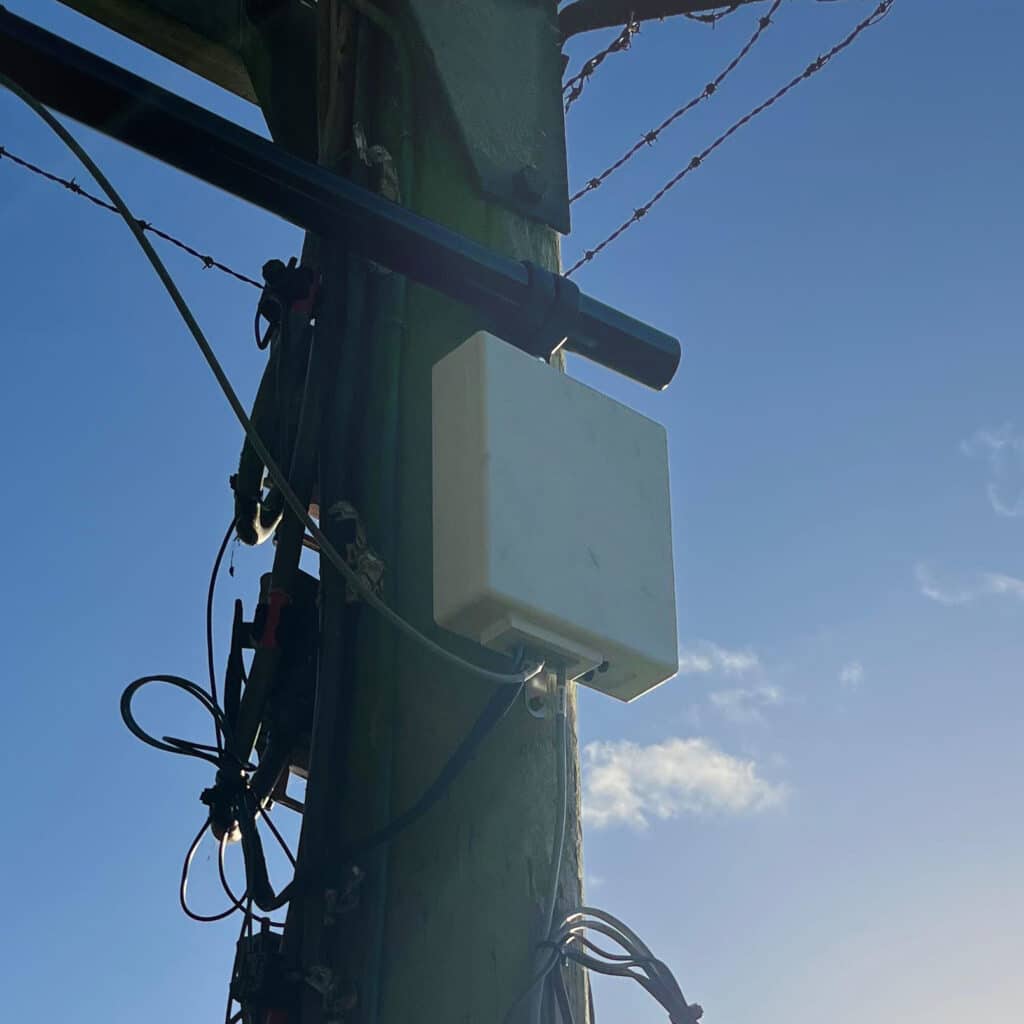
We expect to see network operators nationwide continuing to deliver the modernisation of the LV network. This includes giving more visibility to the grid-edge by digitilising their LV networks, with state-of-the-art monitoring equipment and the bolstering of older sections of the network becoming commonplace.
Resilience, resilience, resilience
This increased demand for electricity means that network uptime is no longer about keeping the lights on, it’s about having enough charge in the car to take the kids to school, and keeping the house warm. Network reliability is more important than ever, and operators will continue pulling out all the stops to keep networks running smoothly – including implementing grid-edge intelligence network-wide.
We’ve seen pockets of the country already benefit hugely from modern monitoring technology, and this year we expect that to continue. Network operators will be capturing as much data as possible and turning it into actionable insights to inform investment decisions and improve network resilience.
Substation equipment is no longer just about volts and amps. Full grid-edge intelligence allows a DNO to detect faults as they occur, predict faults before they happen, provide operational and planning insights and support visibility for EV, heat pump, and distributed energy resources (DER) adoption. The future is a stacked-value substation, where one set of assets delivers multiple roles across reliability, planning, safety and flexibility.
Data as the enabler
As the electrical industry looks ahead to 2026, the technology itself is no longer the limiting factor. Core innovations such as AI, advanced modelling software, intelligent sensors and high-speed data collection are already proven and deployed at scale. The defining challenge now is organisational.
Over the next year, progress will hinge on redesigning processes, shifting operational culture and genuinely empowering people to use new digital tools with confidence. Integrating digital workflows into everyday practice, rather than treating them as add-ons, will be critical. This human and process-led transition will ultimately determine whether the energy system can keep pace with rising societal expectations and demand with the industry transitioning from reactive queue management to faster, model-driven connection decisions, supported by tools like VisNet Design, VisNet Connect and Forecast.
Digital networks become non-negotiable
With modern network modelling now readily available to the industry, it’s not only the physical LV network that will be affected. We expect network operators to focus on digitising network data – some of which is decades old – to make better use out of these emerging technologies and create digital twins of their networks.
These digital twins will become the foundation of modern grid planning, giving insights into where the grid is stressed, forecast future network stresses, reveal how much capacity exists for new connections, and showcase what upgrades will deliver the best returns for DNOs. Modelling these factors onto a digital twin of the network plays a vital role in keeping on top of connection queues and giving a clear picture of the viability and cost of proposed projects.
Accurate digital twins will become a standard expectation, not an innovation, and customers of all sizes will expect there to be some form of modelling technology with every network operator across the country.
Consumers will also benefit from the technology as they begin to see the outcomes of it in action. Speedier network servicing, a reduce number of repairs and outages, a better customer experience – all of these are direct benefits for everyday energy user, and as those DNOs using digital twins see the benefits, consumer pressure will grow on those who aren’t.
Conclusion
This year will be the year of network modernisation, mainly in response to the ever-growing number of low carbon technology and AI infrastructure that is cropping up nationwide. The networks of the future will be more digital, more observable, and more reliant on data for every operational and strategic decision. The technology is in place; the challenge now is putting it to good use.