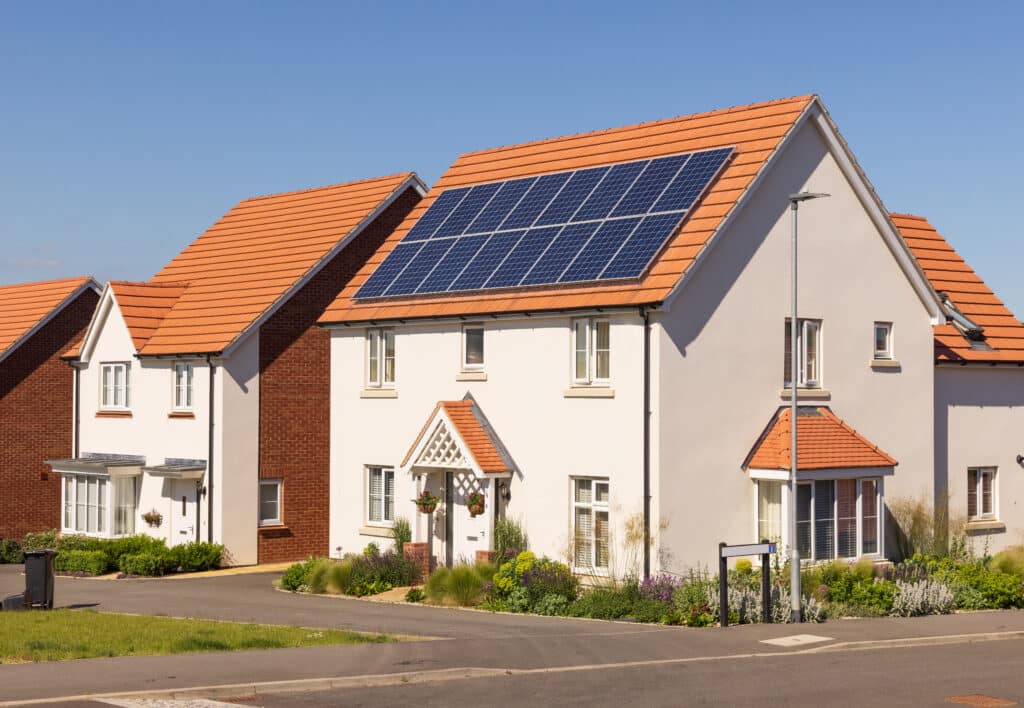
The UK Government’s recently announced Warm Homes Plan represents one of the most significant policy shifts in home energy in recent years. A £15 billion investment designed to cut household energy bills, tackle fuel poverty and accelerate deployment of clean technologies such as solar panels, batteries and heat pumps across up to five million UK homes by 2030. At its heart is a drive to make renewable energy generation and energy efficiency measures more accessible to households nationwide, backed by a mix of grants, low-interest loans and targeted support for low-income families.
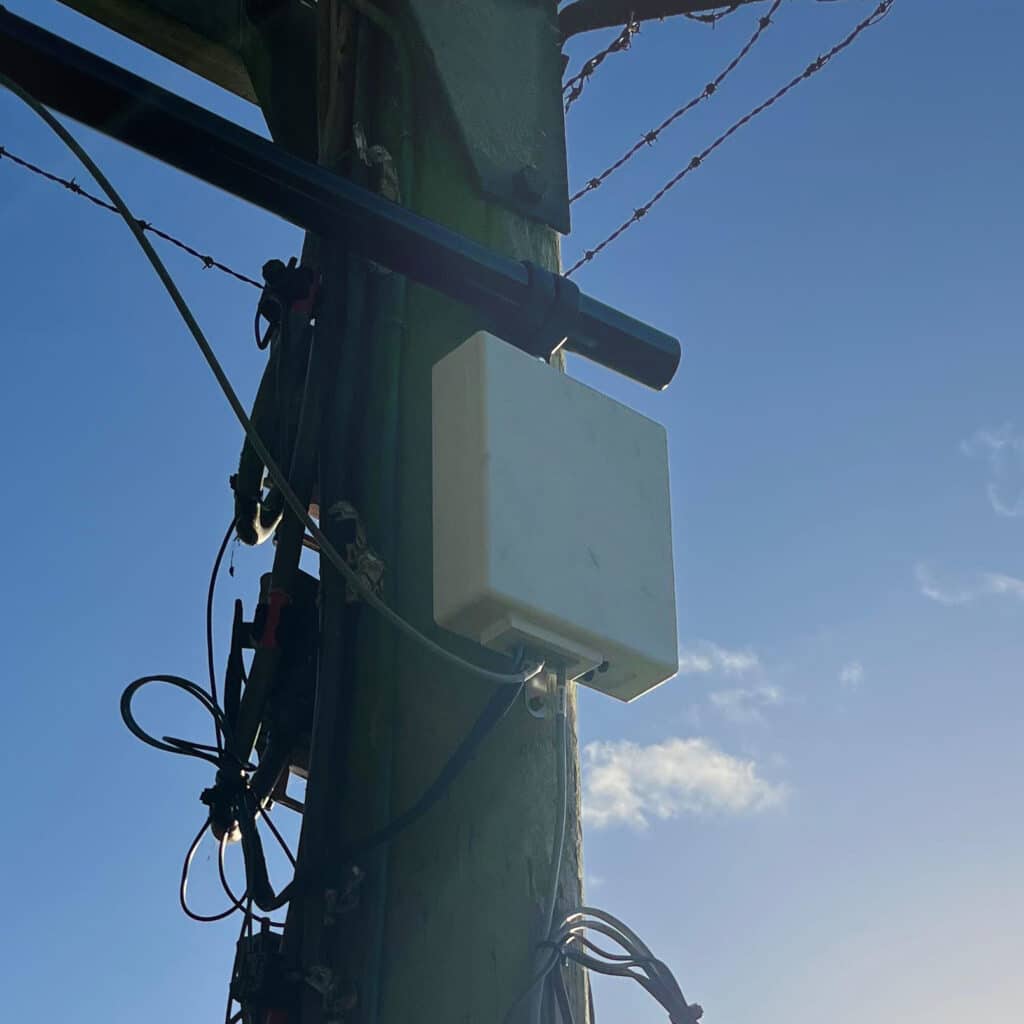
For the energy industry, this scale of ambition is a positive signal. Rooftop solar PV and home energy storage systems are crucial to reducing carbon emissions and making energy bills more affordable. Yet the transition toward a more decentralised energy system also presents technical and operational challenges for Distribution Network Operators (DNOs) and the wider electricity network. As we highlighted in our Electrical Times article on network impacts, the rapid growth in residential and workplace solar PV means more electricity is being exported back into low-voltage networks originally designed for one-way power flows. This evolving generation landscape necessitates enhanced low voltage monitoring, smarter network visibility and greater grid-edge insight so that distribution networks can maintain stability, manage voltage fluctuations and support the electrification of heating and transport.
Whilst this is a UK initiative the same rings true for Distribution System Operators around the globe, without clear visibility of how and where distributed generation and flexible loads are connecting, DSOs face growing risks of local network constraints, voltage issues and increased electrical stress. This highlights the importance of coordinated investment in both home energy upgrades and grid-edge solutions to ensure the energy transition is delivered reliably, efficiently and at scale.