SwitchedOn Podcast: How households are reshaping the role of electricity networks

The rapid growth of rooftop solar, home batteries and electric vehicles is changing how energy is generated and used, creating new challenges for electricity networks.
 
In this episode of Renew Economy’s SwitchedOn podcast, Mark Sprawson, Chief Commercial Officer at EA Technology, discusses findings from our latest global research, based on a survey of more than 8,000 consumers across the UK, New Zealand and Australia.
 
He explores why understanding consumer behaviour, particularly when and how electricity is used, is becoming increasingly important for managing network capacity, reducing unnecessary infrastructure investment and supporting the transition to Net Zero.
 
Listen to the episode below:

Sign up to our newsletter

Learn more about our market-leading products and how we’re supporting the world’s transition to decarbonisation.

Recent News

Latest News

SwitchedOn Podcast: How households are reshaping the role of electricity networks

Discover how consumer energy use impacts network capacity and why it’s key to enabling a smarter, resilient Net Zero transition.

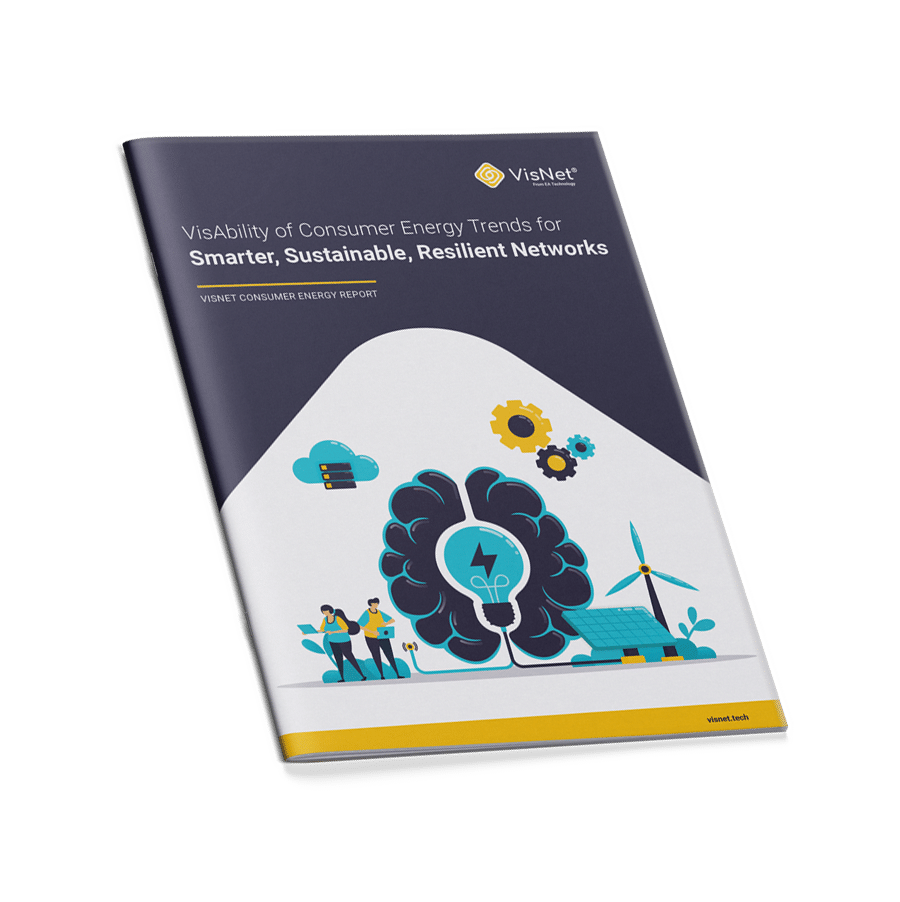
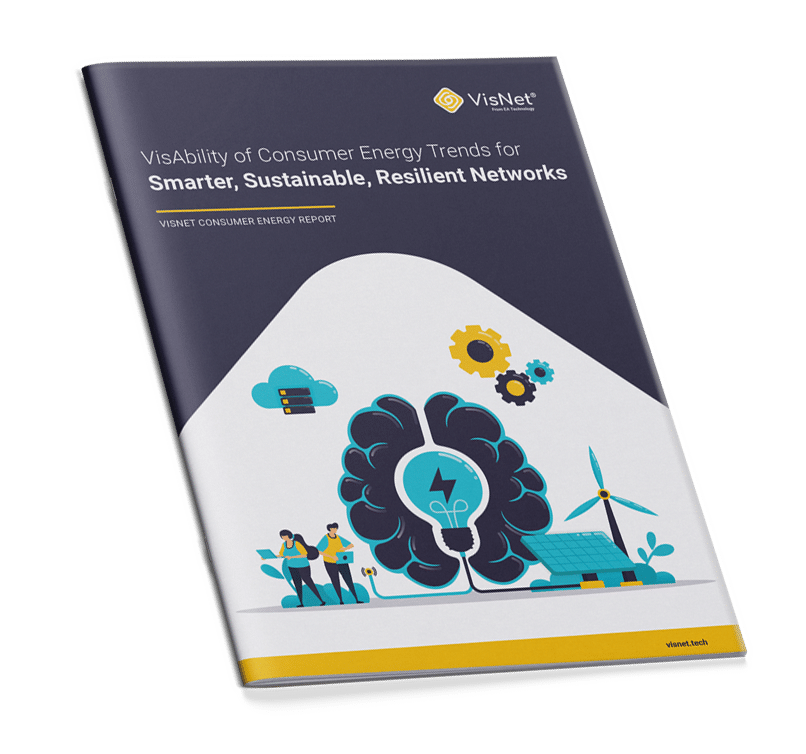
Introducing our Consumer Energy Trends Whitepaper

Energy demand is set to rise despite consumer efforts to reduce usage. Learn why smarter LV networks are critical.

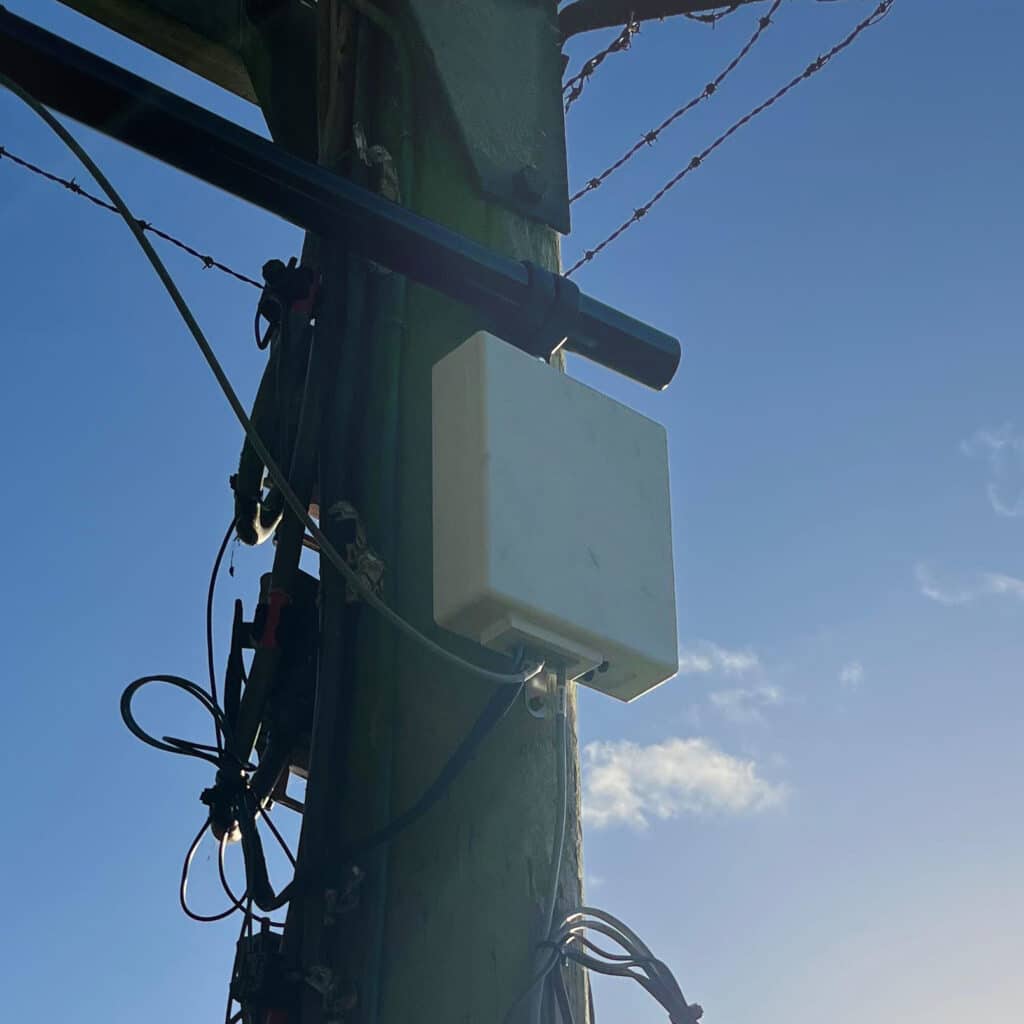
A New Era of Grid-Edge Intelligence Comes to Overhead LV Networks

EA Technology launches VisNet View, a pole-mounted solution delivering real-time data to improve reliability, capacity, and grid-edge visibility.

Speak to one of our experts

Find out more about VisNet® real-time, data-driven monitoring systems.

  • Understand how we can support your requirements
  • Learn more about our monitoring products
  • Have your questions answered

+44 (0) 151 347 2313 info@eatechnology.com

By submitting this form, you agree to our Privacy Policy.

VisNet Logo White Text

Download the Consumer Energy Trends Whitepaper

Discover the key challenges, opportunities, and insights shaping resilient, low-cost LV networks for a faster Net Zero transition.