EA Technology advances electricity network modelling and planning with VisNet Design

VisNet from EA Technology, the low voltage energy network monitoring and management specialist, has launched an update to VisNet Design, its LV network design and planning product, so that it is now fully backward compatible with its predecessor, WinDEBUT. The WinDEBUT tool will come to end-of-life on 30 January 2026, at which point it will no longer be supported.

Sign up to our newsletter

Learn more about our market-leading products and how we’re supporting the world’s transition to decarbonisation.

network modelling and planning with VisNet Design

Recent News

Latest News

Prosumer story in ENERGY mag

The Rise of Prosumers: Transforming Australia’s Energy Networks

Australia’s energy system is rapidly evolving as prosumers reshape how electricity is generated and consumed. In this feature, EA Technology’s Mark Sprawson explores how networks can adapt through data, forecasting and digital innovation.
5 mins with Gareth Burton

5 Minutes with EA Technology CEO Gareth Burton: Navigating the Future of Energy Networks

In this exclusive ‘5 Minutes With’ feature, EA Technology CEO Gareth Burton shares insights on how utilities are navigating electrification, modernising ageing infrastructure, and building smarter, more resilient energy networks for the future.

SwitchedOn Podcast: How households are reshaping the role of electricity networks

Discover how consumer energy use impacts network capacity and why it’s key to enabling a smarter, resilient Net Zero transition.

Speak to one of our experts

Find out more about VisNet® real-time, data-driven monitoring systems.

  • Understand how we can support your requirements
  • Learn more about our monitoring products
  • Have your questions answered

+44 (0) 151 347 2313 info@eatechnology.com

By submitting this form, you agree to our Privacy Policy.

VisNet Logo White Text

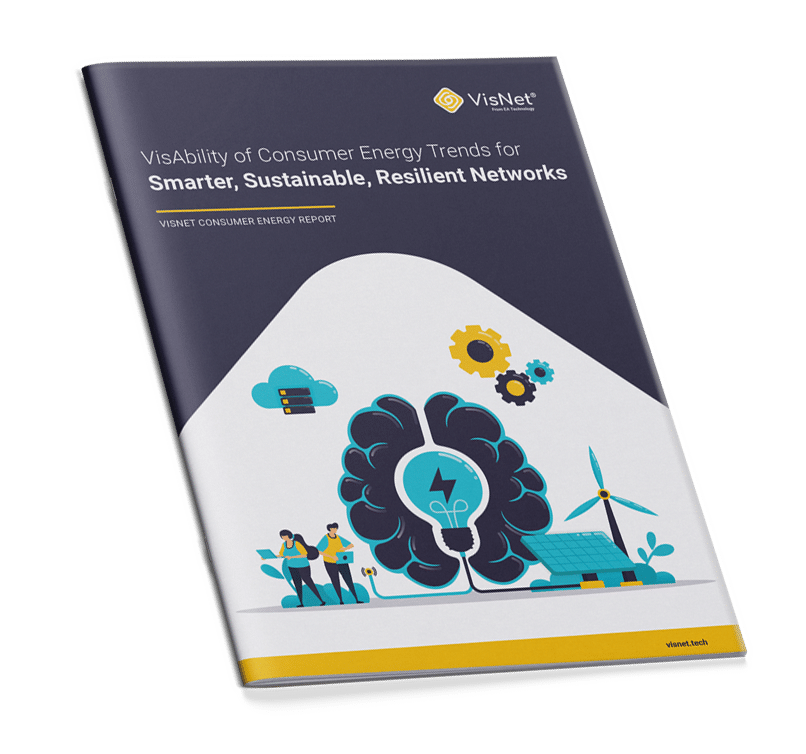
Download the Consumer Energy Trends Whitepaper

Discover the key challenges, opportunities, and insights shaping resilient, low-cost LV networks for a faster Net Zero transition.